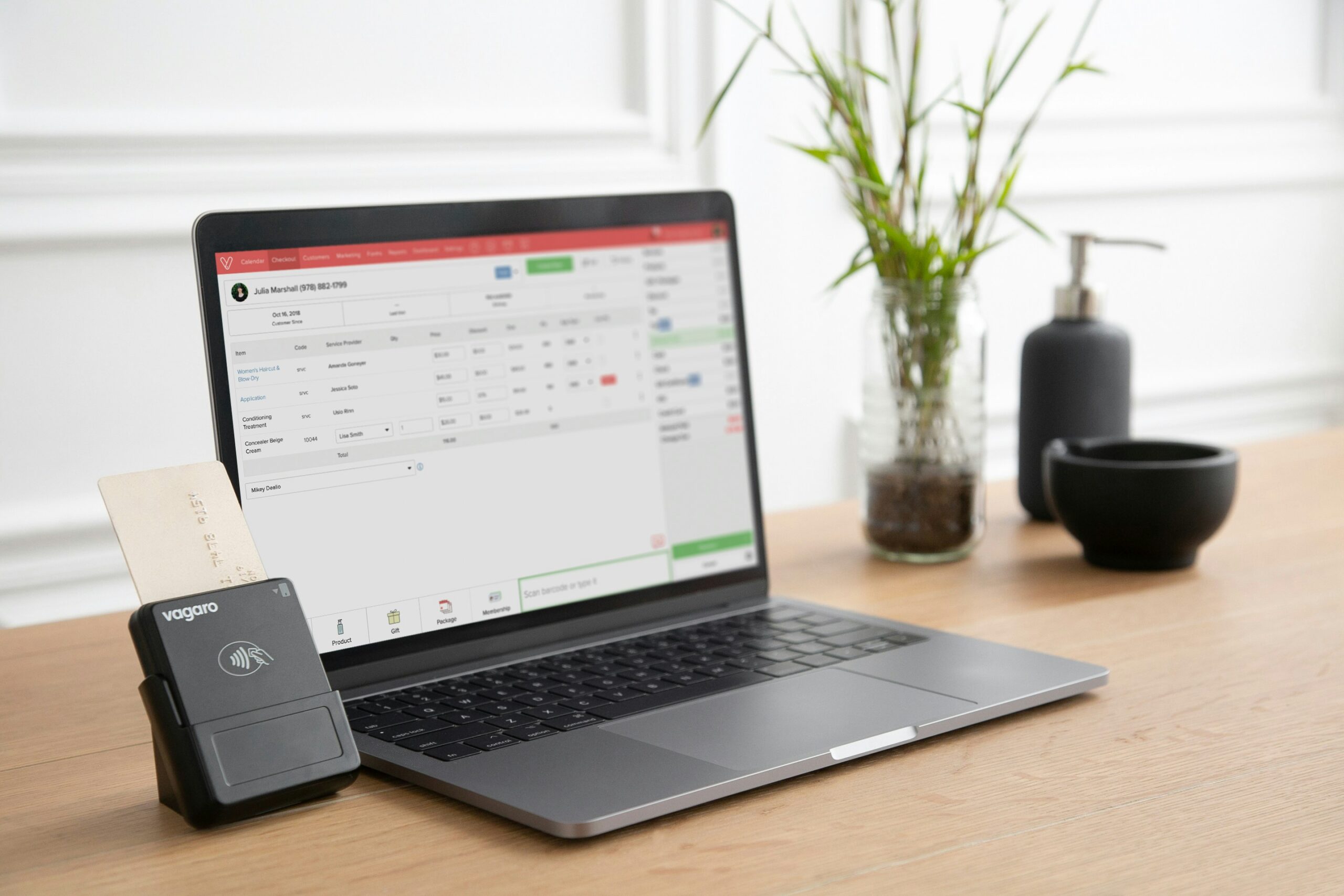
The calculus of corporate healthcare expenditure has undergone a fundamental shift. For decades, the prevailing strategy was reactive: manage the cost of sickness. But as we navigate the second half of the 2020s, a data-driven counterpoint has emerged, one that treats the human body less like a repair shop liability and more like a high-performance asset requiring continuous optimization. This is not merely a trend in wellness apps; it is a strategic financial pivot. The integration of tech-enabled preventive care—spanning from continuous glucose monitors for the non-diabetic to AI-driven mental health triage—is proving to be the most effective lever for reducing long-term healthcare liabilities. For CFOs, HR directors, and benefits consultants, the question is no longer if to invest, but how to allocate capital toward platforms that deliver verifiable risk mitigation.

The Economic Imperative: Shifting from Acute to Predictive Spend
The traditional health insurance model is predicated on actuarial risk pools and the management of catastrophic claims. However, 2026 data from the National Business Group on Health indicates that chronic conditions—many of which are modifiable through lifestyle and early intervention—still account for over 80% of employer healthcare costs. The strategic flaw in the old model is its reliance on episodic intervention. A patient does not become a type 2 diabetic overnight; they traverse a long, measurable arc of metabolic decline. Tech-enabled preventive care intervenes in that arc.
By deploying predictive analytics and remote patient monitoring (RPM) platforms, organizations can now identify employees with pre-diabetic markers, rising blood pressure, or deteriorating mental health scores months—sometimes years—before a claim is filed. This is not about “wellness points” for gym memberships. It is about precision medicine applied at the population level. The return on this investment is stark: a 2025 study published in Health Affairs found that employers who deployed a comprehensive digital preventive care stack saw a 3:1 return within 18 months, primarily driven by reductions in emergency department utilization and inpatient admissions.
Why the Old “Sick Care” Model Fails the Balance Sheet
To understand the value of the new model, one must first audit the inefficiencies of the old. The primary cost driver in traditional plans is the “claim lag”—the time between a health risk emerging and its treatment. During this lag, conditions compound. A minor hypertensive issue becomes a stroke. Routine anxiety becomes a debilitating burnout claim. The administrative cost of managing these late-stage claims is exorbitant, involving utilization review, case management, and legal arbitration. Tech-enabled preventive care collapses this lag by providing continuous data streams. A smartwatch detecting atrial fibrillation, a digital scale tracking fluid retention for a heart failure patient, or an AI chatbot performing daily cognitive behavioral therapy check-ins—these tools convert passive risk into active data, allowing for micro-interventions before a macro-cost materializes.
Key Technologies Driving the 2026 Preventive Care Revolution
The ecosystem of preventive technology has matured significantly since the pandemic-era telehealth boom. We are now seeing the convergence of hardware, software, and behavioral science into cohesive platforms. The most effective deployments are not siloed apps, but integrated systems that communicate with a patient’s primary care physician, their health savings account (HSA), and their employer’s benefits portal.
Continuous Monitoring Beyond the Wearable
The consumer wearable—think Apple Watch, Oura Ring, or Whoop—was the gateway. The enterprise-grade solution of 2026 goes deeper. We are seeing a surge in FDA-cleared digital therapeutics and prescription digital therapeutics (PDTs). For example, companies like Omada Health and Virta Health have moved beyond simple step counting. They now offer metabolic optimization programs that pair a continuous glucose monitor (CGM) with a virtual health coach and a nutritionist. The data is not just collected; it is analyzed by machine learning algorithms to predict glycemic excursions and suggest dietary adjustments in real-time. For an employer, this is a direct hedge against the $327 billion annual cost of diabetes in the U.S.
AI-Driven Mental Health Triage and Resilience Training
Mental health is the silent driver of medical and pharmacy costs. Anxiety and depression correlate strongly with poor medication adherence and increased utilization of primary care. In 2026, the most sophisticated preventive care platforms use natural language processing (NLP) to analyze employee communications (with consent) or daily mood logs to detect early signs of burnout or depression. Instead of waiting for a crisis, the system triggers a referral to a high-value concierge therapy service or a digital resilience program. This is a strategic capital allocation: the cost of a four-session digital cognitive behavioral therapy program is a fraction of the cost of a single inpatient psychiatric stay or a long-term disability claim.
How to Structure a Strategic Preventive Care Program
Implementing this technology requires more than purchasing a license. It requires a re-engineering of the benefits architecture. The most successful programs in 2026 follow a three-tiered framework: Detection, Intervention, and Reinforcement.
Detection: This involves the initial data capture. Employers are partnering with local bespoke health screening operators to provide on-site biometric screenings that feed directly into a digital health platform. This is combined with passive data from wearables and digital questionnaires. The goal is to create a “risk heatmap” of the employee population.
Intervention: Once a risk is identified (e.g., elevated HbA1c, high blood pressure, high anxiety score), the platform automatically enrolls the employee into a tailored program. This might involve a virtual physical therapist for musculoskeletal issues (a top cost driver) or a digital smoking cessation program integrated with nicotine replacement therapy delivery.
Reinforcement: This is where the “stickiness” of the program is tested. Behavioral economics principles are applied using gamification and financial incentives. Employees earn points for adherence, which can be deposited into a premium rewards card or used to lower their monthly health insurance premium contribution. This creates a positive feedback loop that sustains engagement beyond the initial novelty.
Navigating Data Privacy and the “Big Brother” Concern
The elephant in the room is privacy. For tech-enabled preventive care to work, it requires data—highly sensitive, personal health data. In 2026, the regulatory landscape is more defined but still complex. The most trusted programs operate on a transparent data governance model. Employers receive only aggregated, de-identified data (e.g., “25% of the workforce has elevated stress markers”) rather than individual clinical records. The individual-level data is managed by a HIPAA-compliant third-party platform. Trust is the currency of this system. Organizations that fail to build a wall between the employer and the employee’s raw health data will face backlash and low enrollment rates. The strategic approach is to position the program as a benefit, not a surveillance tool.
Real-World ROI: A Case Study in Capital Allocation
Consider the example of a mid-sized logistics firm in the Midwest that implemented a tech-enabled preventive care program in early 2025. Facing a 15% year-over-year increase in health insurance premiums, the firm deployed a platform focusing on metabolic health and musculoskeletal care. They provided all 1,200 employees with a subsidized CGM and access to a digital physical therapy app. The results, measured at the 18-month mark, were compelling: a 22% reduction in ER visits related to hypoglycemia, a 30% decrease in claims for lower back pain, and a net reduction in total healthcare spend of 8.5% against the baseline trend. The cost of the platform was $180 per employee per year. The savings per employee? Over $600. This is the arithmetic that is driving the shift from reactive to preventive spend.
Key Takeaways for the Strategic Buyer
For the executive tasked with controlling healthcare costs, the shift to tech-enabled preventive care is not a soft “wellness” initiative; it is a hard financial strategy. To execute it effectively, focus on these three principles:
- Integration over Aggregation: Avoid purchasing a dozen disparate apps. Seek a platform that integrates with your existing concierge travel services (for mental health retreats), your pharmacy benefit manager, and your primary care network.
- Outcome-Based Contracting: Negotiate with vendors on a risk-sharing basis. Tie their compensation to measurable reductions in claims or improvements in biometric markers, not just engagement logins.
- Equity of Access: Ensure the technology is accessible to all demographics within the workforce. A program that only appeals to the “worried well” (high-income, already healthy employees) will not move the needle on total cost. Target the high-risk, low-engagement populations with specific incentives.
The Outlook for 2027 and Beyond
We are standing at the inflection point where healthcare economics meets data science. The next frontier is the integration of genomic data into preventive risk models, allowing for even earlier intervention based on polygenic risk scores. Furthermore, the rise of AI-powered health navigators will automate the referral process, ensuring that an employee flagged for a risk is instantly connected to the right specialist or digital therapeutic. The organizations that will thrive in the coming decade are those that view healthcare expenditure not as a fixed cost to be managed, but as a variable cost to be optimized through strategic, technology-driven prevention. The evidence is clear: the cheapest claim is the one that never happens.
Conclusion
The narrative around healthcare costs has been one of helplessness—a rising tide that no single strategy can contain. Tech-enabled preventive care shatters that narrative. It replaces actuarial fatalism with actionable intelligence. By deploying sophisticated monitoring, AI-driven triage, and behaviorally-informed interventions, organizations can fundamentally alter the trajectory of their health spend. This is not a futuristic fantasy; it is a present-day strategic imperative. The investment required is modest. The return—in reduced claims, improved productivity, and a healthier workforce—is profound. For the forward-thinking executive, the prescription is clear: shift your capital from the cost of sickness to the infrastructure of wellness. The balance sheet will thank you.
Photo Credits
Photo by Vagaro on Unsplash
- The Bottom Line on the Algorithm: Evaluating the Economic Value of AI in Diagnostics and Chronic Disease Management – 23/04/2026
- Smart Finance Strategies for Adopting Health Tech in Corporate Wellness Programs – 23/04/2026
- The ROI of Telemedicine: Financial Benefits for Providers and Patients Alike – 23/04/2026

•
Leave a Reply