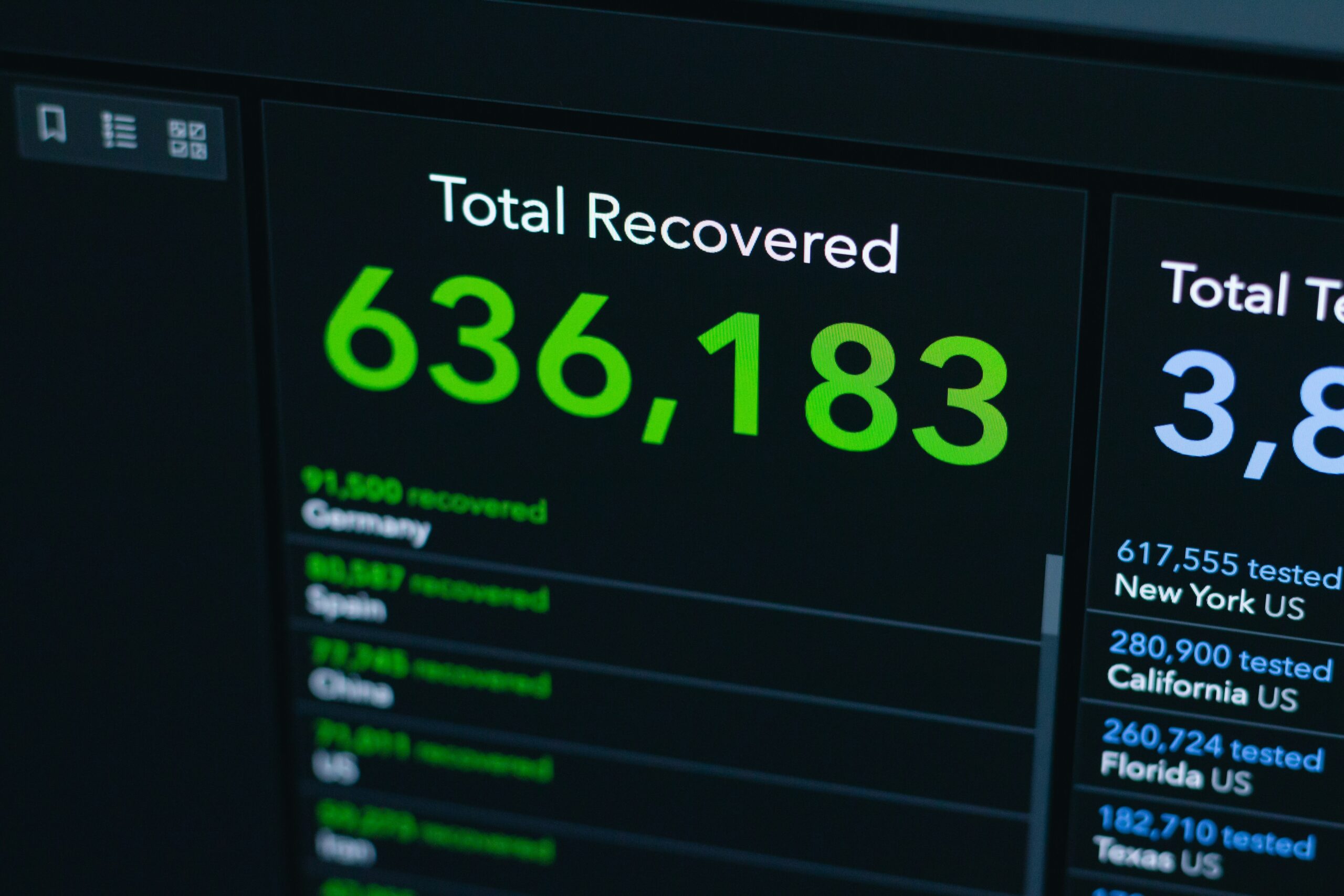
The year 2026 has ushered in a paradigm shift in how we conceptualize healthcare expenditure. No longer is the conversation solely about the cost of a procedure or the price of a prescription; it is increasingly about the strategic allocation of capital toward preventative, data-driven ecosystems. The proliferation of digital health tools—from AI-driven diagnostic platforms to continuous glucose monitors for the general population—presents a complex financial calculus for healthcare systems, insurers, and individual patients alike. The question is no longer if these tools work, but whether their upfront costs justify the downstream savings, and how stakeholders can navigate the delicate balance between innovation-driven expense and long-term fiscal sustainability.

The Upfront Capital Allocation: Understanding the True Cost of Digital Infrastructure
The initial financial outlay for digital health is often the most visible and daunting barrier. For a hospital network, this might involve a multi-million dollar investment in a new Electronic Health Record (EHR) system with integrated AI analytics. For a self-insured employer, it could mean subsidizing a fleet of wearable devices for 10,000 employees. For a patient, it might be the monthly subscription fee for a mental health app or the out-of-pocket cost for a smart inhaler.
These costs are not monolithic. They break down into several distinct categories that savvy financial officers and consumers must scrutinize:
- Hardware Acquisition: The physical devices—smartwatches, biosensors, remote patient monitoring kits—carry a manufacturing and retail cost that is often passed down the chain.
- Software Licensing and Integration: The true cost is rarely the app itself, but the interoperability middleware required to make it talk to legacy hospital systems. A 2025 report from the Healthcare Financial Management Association found that integration costs can account for up to 40% of a digital health project’s total budget.
- Change Management and Training: The most expensive digital tool is the one nobody uses. Training clinical staff to trust an AI’s diagnosis or teaching elderly patients to use a telehealth portal requires significant human capital investment.
- Data Security and Compliance: With the expansion of digital footprints comes the need for robust cybersecurity. The cost of a single data breach in 2026 averages $9.8 million, making advanced encryption and HIPAA-compliant cloud storage a non-negotiable, yet costly, line item.
This initial friction often leads to a phenomenon known as the “digital health adoption gap,” where early financial analysis focuses solely on the negative cash flow of implementation, ignoring the deferred revenue streams of better health outcomes.
The Long-Term Value Equation: Where the ROI Actually Lives
To understand the long-term benefit, one must shift from a transactional view of healthcare to a value-based care model. In this model, the financial goal is not to perform more procedures, but to reduce the total cost of care for a population. Digital health tools are the primary engines of this shift.
Reducing Acute Event Costs Through Remote Monitoring
Consider the case of congestive heart failure (CHF). A CHF patient who is discharged from the hospital has a 25% chance of readmission within 30 days, costing the system an average of $15,000 per event. In 2026, a standard remote monitoring kit—a Bluetooth scale, a blood pressure cuff, and a symptom-checking app—costs roughly $300 per patient per month.
If that $300 tool prevents just one readmission out of ten patients, the health system saves $15,000 against a $3,000 investment. That is a 5:1 return on investment. This is not speculative; the Centers for Medicare & Medicaid Services (CMS) has expanded its reimbursement codes for Remote Patient Monitoring (RPM) precisely because the data proves this financial logic holds true at scale.
The Economics of Prevention: Chronic Disease Management
While a CGM prescription might cost $75-$150 per month out-of-pocket, studies from 2025 show that consistent use leads to an average 0.8% reduction in A1C levels. For an employer-sponsored health plan, this translates directly into lower pharmacy costs (less insulin needed), fewer specialist visits, and reduced disability claims. The return on investment for employer-sponsored digital diabetes programs is now calculated at a median of 2.5:1 over a three-year horizon.
Operational Efficiency in the Clinic
Beyond patient-facing tools, back-end digital health solutions—specifically AI-assisted scheduling and automated medical coding—are slashing administrative overhead. A large hospital network using generative AI for prior authorization processing in 2026 reports a 60% reduction in the time staff spend on paperwork. This is not just a time saving; it is a capital efficiency gain, allowing the organization to reallocate labor resources from billing to direct patient care.
Navigating the Pitfalls: The Risk of “Digital Waste”
It is critical to acknowledge that not all digital health investments yield positive returns. The market is flooded with “health apps” that lack clinical validation. The phenomenon of “digital waste”—spending on tools that are used once and abandoned—is a real financial liability.
To mitigate this, healthcare leaders must adopt a rigorous health technology assessment (HTA) framework. This includes demanding real-world evidence of efficacy, not just user testimonials. A tool that tracks steps but fails to change behavior is a sunk cost. The most effective financial strategy involves piloting digital tools with a specific, high-risk patient cohort (e.g., post-surgical patients) and measuring hard endpoints (readmission rates, ER visits) before scaling to the entire population.
The Patient’s Financial Perspective: Out-of-Pocket Costs vs. Quality of Life
For the individual, the financial calculus is often more intimate. A patient with a high-deductible health plan in 2026 faces a stark choice: pay $200 for a virtual physical therapy app that might resolve their back pain in 6 weeks, or pay a $40 co-pay per visit for in-person PT that might take 12 weeks and require time off work.
The “hidden cost” here is time and lost wages. Digital health tools offer a unique value proposition in the form of asynchronous care. A patient can send a photo of a rash to a dermatologist at 10 PM and get a response by morning, avoiding a $150 urgent care visit and a half-day of lost productivity. For the self-employed or hourly worker, this convenience has a direct, quantifiable financial benefit that often outweighs the subscription cost of the platform.
Key Takeaways: The Financial Blueprint for 2026
- Focus on High-Risk Populations: The best ROI comes from targeting the 5% of patients who drive 50% of costs. Digital tools for managing CHF, COPD, and diabetes are the highest-yield investments.
- Demand Interoperability: A tool that cannot share data with the primary care physician is a silo of cost, not a bridge to savings. Insist on FHIR (Fast Healthcare Interoperability Resources) standards.
- Calculate Total Cost of Ownership (TCO): Include training, security, and integration costs in the budget. A cheap app that requires expensive IT support is not a bargain.
- Leverage New Reimbursement Codes: In 2026, Medicare and many commercial insurers offer specific CPT codes for remote monitoring and digital therapeutic counseling. Ensure your investment aligns with reimbursable services.
- Patient Engagement is the Currency: The best technology in the world is worthless if the patient doesn’t use it. Invest in user experience and digital literacy programs as heavily as you invest in the hardware.
Conclusion: The Shift from Volume to Value is a Financial Imperative
In 2026, the organizations and individuals that succeed financially are those that treat digital health not as a discretionary expense, but as a strategic asset. They understand that the cost of not investing in digital health—the cost of missed diagnoses, preventable readmissions, and inefficient workflows—is far greater. The balance has tipped. The question is no longer whether we can afford these tools, but whether we can afford to practice medicine without them. The final verdict from the data is clear: the long-term savings, both systemic and personal, fundamentally outweigh the initial outlay.
Photo Credits
Photo by KOBU Agency on Unsplash
- The Bottom Line on the Algorithm: Evaluating the Economic Value of AI in Diagnostics and Chronic Disease Management – 23/04/2026
- Smart Finance Strategies for Adopting Health Tech in Corporate Wellness Programs – 23/04/2026
- The ROI of Telemedicine: Financial Benefits for Providers and Patients Alike – 23/04/2026

•
Leave a Reply