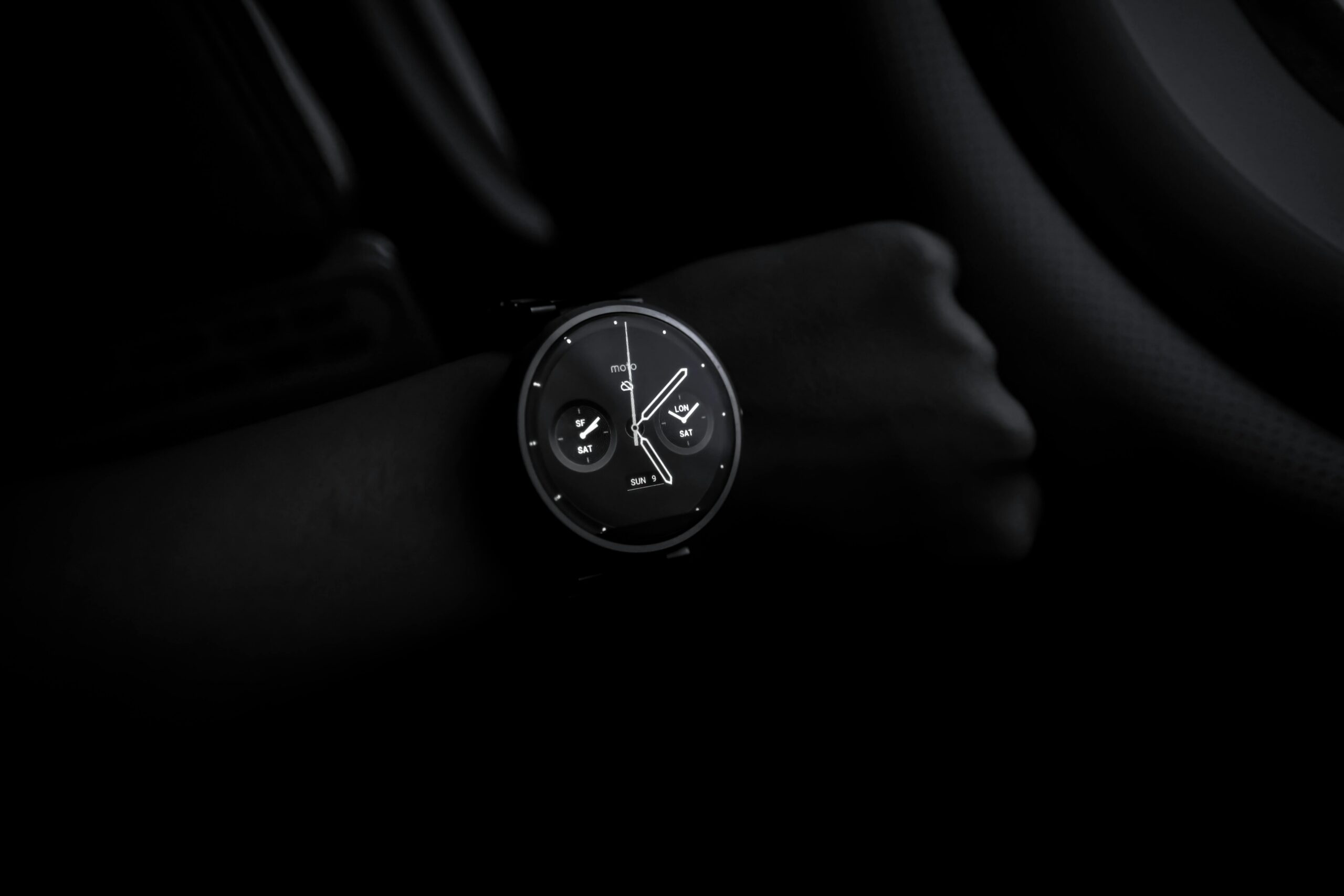
The quiet hum of a smartwatch on a wrist is no longer just a novelty; it is a data stream that has fundamentally altered the calculus of risk in the health insurance industry. In 2026, the intersection of wearable technology and advanced data analytics has moved beyond pilot programs and niche wellness initiatives to become a core pillar of underwriting and premium calculation. For the insured, this represents a profound shift from a static, annual risk assessment to a dynamic, real-time evaluation of personal health behaviors. For insurers, it is an unprecedented opportunity to mitigate claims costs, reduce fraud, and foster a more engaged, healthier policyholder base. The result is a market where your daily step count, sleep quality, and even your heart rate variability can directly influence the price you pay for coverage, creating a system that is both more personalized and, for many, more equitable.
The New Currency of Risk: Biometric Data Streams
The traditional health insurance model relied on broad actuarial tables—age, gender, medical history, and lifestyle questionnaires. These were blunt instruments, often penalizing large cohorts for the behaviors of a few. Wearable technology has shattered this paradigm. In 2026, the data generated by devices from Apple, Garmin, Fitbit, and an array of medical-grade wearables is being ingested and analyzed by sophisticated machine learning algorithms. The key data points now considered by a growing number of carriers include:
- Activity Metrics: Daily step counts, active minutes, and exercise intensity levels are correlated with lower risks of cardiovascular disease, diabetes, and obesity.
- Sleep Quality: Duration and consistency of sleep, alongside metrics like REM and deep sleep phases, are powerful predictors of mental health conditions, stress, and chronic inflammation.
- Heart Rate Variability (HRV): A high HRV is increasingly recognized as a marker of physical resilience and recovery, while low HRV can signal overtraining, stress, or underlying cardiac issues.
- Blood Glucose and Blood Pressure: Continuous glucose monitors (CGMs) and smart blood pressure cuffs are no longer just for diabetics or hypertensives. They are being used in proactive wellness programs to detect pre-diabetic states and hypertensive trends before they become catastrophic claims.
This shift allows insurers to move from a reactive model—paying for treatment after a heart attack—to a proactive one, incentivizing behaviors that prevent the heart attack in the first place. The commercial bridge here is clear: preventive health management platforms and personalized wellness coaching have become high-value services that insurers bundle with their policies to reduce overall loss ratios.
How Data Analytics Transforms Raw Data into Premium Adjustments
Collecting data is one thing; making it actionable is another. The real transformation lies in the analytics layer. In 2026, insurers are not just looking at your average step count. They are applying predictive modeling to identify risk trajectories. For instance, a policyholder who is a 45-year-old male with a family history of heart disease might receive a standard premium of $500 per month. However, if his wearable data shows he consistently achieves 8,000 steps per day, has a stable HRV above 50 ms, and sleeps seven hours nightly, the algorithm might adjust that premium down to $420 per month—a 16% reduction.
Conversely, a younger, seemingly low-risk individual who shows patterns of chronic sleep deprivation and low activity could see their premium adjusted upward. This granularity is the behavioral underwriting revolution. It rewards demonstrable health actions, not just self-reported intentions.
The Role of Machine Learning in Claims Prediction
Advanced analytics also allows insurers to predict claims before they happen. An algorithm can detect subtle changes in a policyholder’s biometric patterns—a sudden drop in activity, an increase in resting heart rate, or a decline in sleep duration—and flag a potential health event, such as an impending infection or a mental health crisis. This enables proactive intervention services, where the insurer contacts the policyholder with a recommendation to see a doctor or offers a telemedicine consultation. This not only improves health outcomes but also prevents expensive emergency room visits, directly benefiting the insurer’s bottom line and the policyholder’s health.
Is It Fair? The Privacy and Equity Debate
While the potential for lower premiums is alluring, the system also raises significant ethical questions. The most pressing concern is data privacy and algorithmic fairness. Who owns the data generated by a policyholder’s wearable? In most jurisdictions in 2026, the data belongs to the individual, but insurers require explicit consent to access it, often in exchange for a discount or a premium guarantee. However, critics argue that this creates a two-tiered system. Those who can afford the latest wearable devices and have the time to exercise and sleep well are rewarded, while those in lower socioeconomic brackets—who may work multiple jobs, live in less safe neighborhoods for walking, or lack access to quality healthcare—are penalized for data that reflects systemic disadvantage, not personal failure.
Furthermore, there is the specter of genetic discrimination by proxy. If an insurer sees a pattern of elevated blood glucose in a policyholder’s wearable data, they might infer a predisposition to diabetes, even if the policyholder has not been formally diagnosed. To address this, regulators in the European Union and several U.S. states have enacted “wearable data non-discrimination” laws, prohibiting insurers from using data to deny coverage outright or to set punitive rates that are not based on transparent, actuarially sound models. The balance between personalization and privacy remains the industry’s most delicate negotiation.
Practical Examples: What This Looks Like in 2026
To understand the real-world impact, consider these three scenarios:
Scenario 1: The High-Performer
Sarah, a 38-year-old consultant, wears a high-end Garmin Fenix. She opts into her insurer’s “Vitality Max” program. By linking her device, she earns “health points” for workouts, achieving sleep goals, and completing monthly health assessments. Her premium is reduced by 20% annually. She also receives a premium rewards card that offers discounts on organic groceries and gym memberships. The insurer uses her data to validate her lifestyle, reducing its risk exposure.
Scenario 2: The Chronic Condition Manager
David, a 62-year-old with Type 2 diabetes, uses a CGM and a smartwatch. His insurer’s analytics platform notices a trend of post-meal glucose spikes. An automated alert suggests a dietary adjustment and a telemedicine consultation with a nutritionist. By following the advice, David avoids a hospitalization for diabetic ketoacidosis. His premium remains stable, and the insurer saves tens of thousands of dollars in potential claims. This is a prime example of chronic disease management software working in concert with wearable data.
Scenario 3: The Data-Shy Policyholder
Michael, a 55-year-old carpenter, does not own a smartwatch. He pays a standard premium that is 10% higher than the base rate for his cohort. He feels this is unfair, as he is in good health. However, his insurer offers a self-reporting alternative with biometric testing twice a year. By doing so, he can qualify for a mid-tier discount without continuous monitoring. This hybrid model is becoming the industry standard to avoid excluding the unconnected.
Key Takeaways for Policyholders and Industry Professionals
- Data is the new deductible: Your willingness to share biometric data is now a direct variable in your premium calculation.
- Prevention is cheaper than treatment: Insurers are investing heavily in behavioral health analytics to identify and reward low-risk behaviors.
- Transparency is mandatory: Look for insurers that offer clear, auditable algorithms and explain how your data influences your rate.
- Bundled services are the norm: Expect policies to include telemedicine subscriptions, mental health apps, and personalized health dashboards as standard features.
- Regulation is catching up: The legal landscape around wearable data in insurance is evolving rapidly. Stay informed about your rights regarding data portability and deletion.
The Future Outlook: From Insurance to Health Optimization
Looking ahead to 2027 and beyond, the line between health insurance and health optimization will continue to blur. We are already seeing the emergence of “health-as-a-service” models, where the insurer’s primary role is not to pay for sickness but to actively manage and finance wellness. Wearable tech and data analytics are the engines of this transformation. Expect to see dynamic premium adjustments that can change monthly based on real-time data, rather than annually. We will also likely see the integration of environmental data—such as air quality and local flu trends—into personalized risk scores.
For the consumer, the message is clear: your health is becoming a quantifiable asset. The more you invest in it, and the more you are willing to transparently share that investment, the lower your financial risk. For the industry, the imperative is to build trust through robust data security, ethical algorithms, and equitable access. The technology is ready. The question is whether the market can implement it with the fairness and transparency that a sophisticated, data-literate public will demand.
In this new landscape, the smartwatch is not just a fitness accessory. It is a financial instrument, a health dashboard, and a direct line to your insurer’s risk assessment engine. How you wear it—and what you do with the data it generates—will increasingly determine the cost of your health insurance.
Photo Credits
Photo by Donald Tong on Pexels
- The Bottom Line on the Algorithm: Evaluating the Economic Value of AI in Diagnostics and Chronic Disease Management – 23/04/2026
- Smart Finance Strategies for Adopting Health Tech in Corporate Wellness Programs – 23/04/2026
- The ROI of Telemedicine: Financial Benefits for Providers and Patients Alike – 23/04/2026

•
Leave a Reply